
Areas of Focus

Anxiety
Depression
Trauma (Child, Youth & Adults)
PTSD
Child Specialist (ADHD, Anxiety, ASD, OCD, ODD)
Couples Therapy
Family Therapy
Parent Support
Co-Parenting Coach
Divorce and Separation

Working Approaches
Person Centered Theory
Cognitive Behaviour Therapy (CBT)
Dialectical Behaviour Therapy (DBT)
Gottman Method for Couples
Emotionally Focused Therapy
Play Based Therapy
Sand Tray Therapy
Social Skills Development
Narrative Therapy
Emotional Regulation
Mindfulness Focus Therapy
Solution Focussed Therapy
Family Systems
Attachment Theory
Eye Movement Desensitization and Reprocessing (EMDR)
Collaborative Divorce
What is…
Anxiety
Definition:
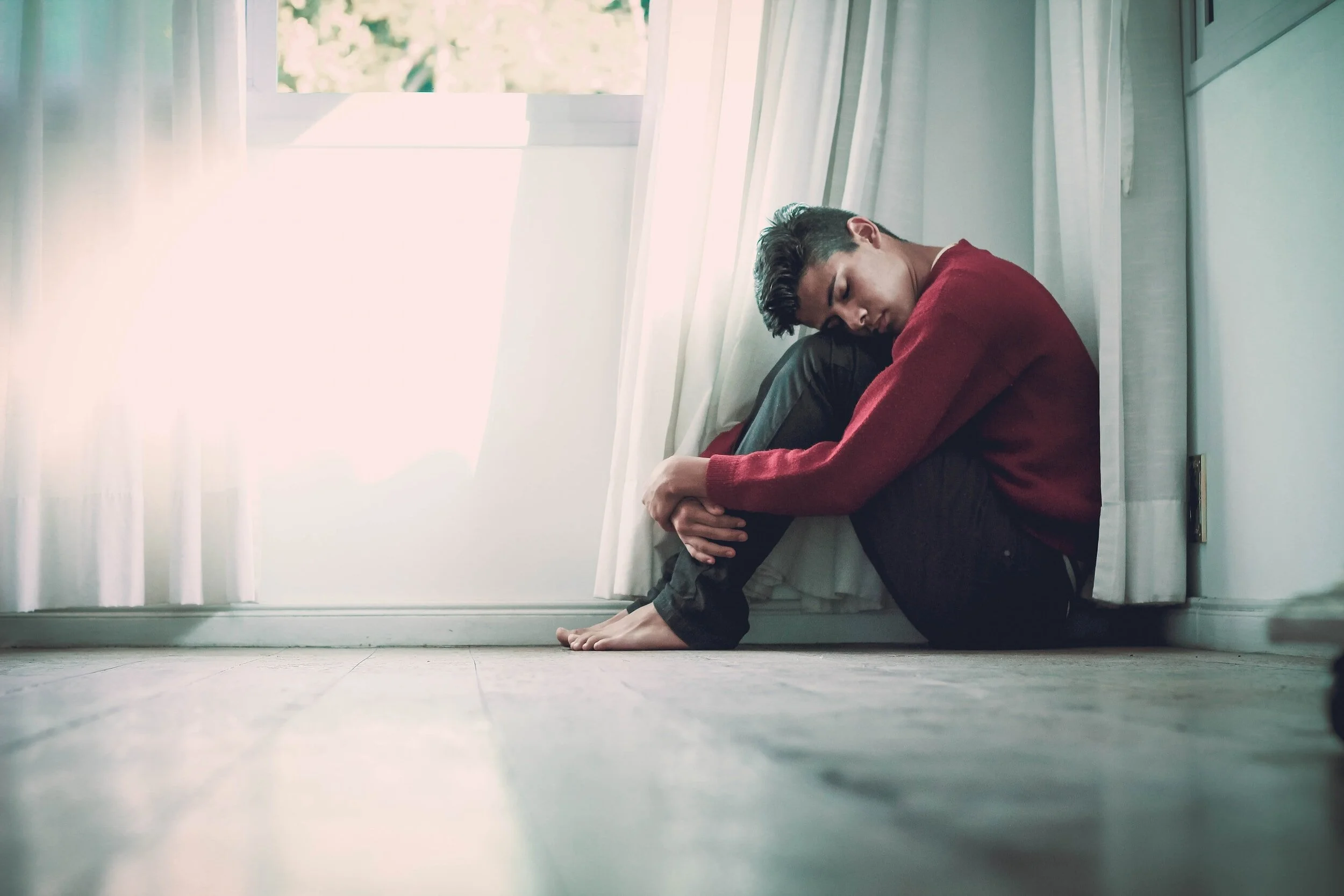
Anxiety Disorders refer to the sensation or feeling of fear or apprehension that lingers with you all the time. It can be intense, overwhelming, and debilitating. For example, this anxiety may cause you to stop doing things that you enjoy or from functioning effectively during your day-to-day activities.
Signs & Symptoms:
An increased heart rate
Feelings of nausea or dizziness
Increased difficulty focusing
Panic attacks
Difficult sleeping
Increased agitation
Increased sweating or hyperventilating
Feeling weak or lethargic
Gastrointestinal concerns, such as gas, diarrhea, or constipation
Feelings of dread or panic
Increasing avoidant behaviours
Increasing tightness in chest or pain
Difficulty breathing
Constantly worrying

Trauma (Children & Youth)
Definition:
Trauma is the lasting emotional response that often results from living through a distressing event. Experiencing a traumatic event can harm a person’s sense of safety, sense of self, and ability to regulate emotions and navigate relationships. Long after the traumatic event occurs, people with trauma can often feel shame, helplessness, powerlessness and intense fear.
Signs & Symptoms:
Anxiety
Bedwetting
Depression
Nightmares
Resisting attending school
Poor performance or attendance in school
Increase mood swings
Substance use
Self-harming behaviours

Couples Therapy
Definition:
Couples Therapy is a form of psychotherapy that can help you and your partner improve your relationship. If you are having relationship difficulties, you can seek couples therapy to help rebuild your relationship.
Signs & Symptoms:
Escalating conflict and nasty communication habits
Emotional distance and loneliness
Falling out of love, i.e. “I love you, but I’m not in love with you.”
Trust and commitment issues
Attachment insecurities that are grounded in feelings of low self-worth and fears of abandonment
Feeling unsupported and emotionally dismissed
Difficulty with opening up emotionally
Sexual intimacy is practically non-existent or there is a lack of desire
Difficulties with in-laws, friendships, work, or life stressors including health issues
Abuse, affairs, and addictions (alcohol, drugs, porn, etc.)
Differences in parenting styles that lead to conflict
Mismanagement and disagreement on finances
Things feeling unfair in the division of household chores
Unequal decision making

Depression
Definition:
Characterized as a mood disorder, depression often develops due to persistent feelings of sadness or a loss of interest, passion, or motivation. Depression often impacts how one feels, thinks, and behaves and can develop into various emotional and/or physical problems that impact your ability to function in your day-to-day life.
Signs & Symptoms:
A loss of interest in things or activities that use to promote joy
Difficulty sleeping
Changes in eating habits
Feelings of sadness, emptiness, or hopelessness
Feeling more or easily overwhelmed
Increased anger, irritability, or frustration
Increased tendency to want to be alone
Slowed thinking, speaking, or body movements
Difficulty concentrating
Increased thoughts of death, suicidal ideation, or suicidality
Feelings of sadness or irritability
Increased feelings of negative self-worth
Increased expressions of worries
Avoidance of social interactions
Noticeable changes in diet or eating habits

P.T.S.D.
Definition:
Post-Traumatic Stress Disorder refers to individuals that experience a struggle with feelings and emotions related to surviving or living through a traumatic event, such as a car accident or domestic violence. Usually developing following the traumatic incident, post-traumatic stress results through continuously reliving the traumatic incident or upsetting thoughts related to the stressful event.
Signs & Symptoms:
Intrusive memories, such as recurrent or unwanted distressing memories of the traumatic event
Avoidance of thinking or talking about the traumatic event;
Developing negative thoughts about yourself or others;
Increased feelings of hopelessness;
Difficulty maintaining close relationships or feeling detached from family and friends;
Lack of interest in activities you once enjoyed;
Difficulty sleeping;
Difficulty concentrating;
Feeling like you are always on guard for danger;
Engaging in self-destructive behaviour, such as drinking excessively, experimenting with recreational drugs, or driving too fast; and/or,
Feelings of guilt or shame.


“Feeling and experiencing infinity within this finite body, living timelessness within the time span of life- this is what you are here for”
Trauma (Adults)
Definition:
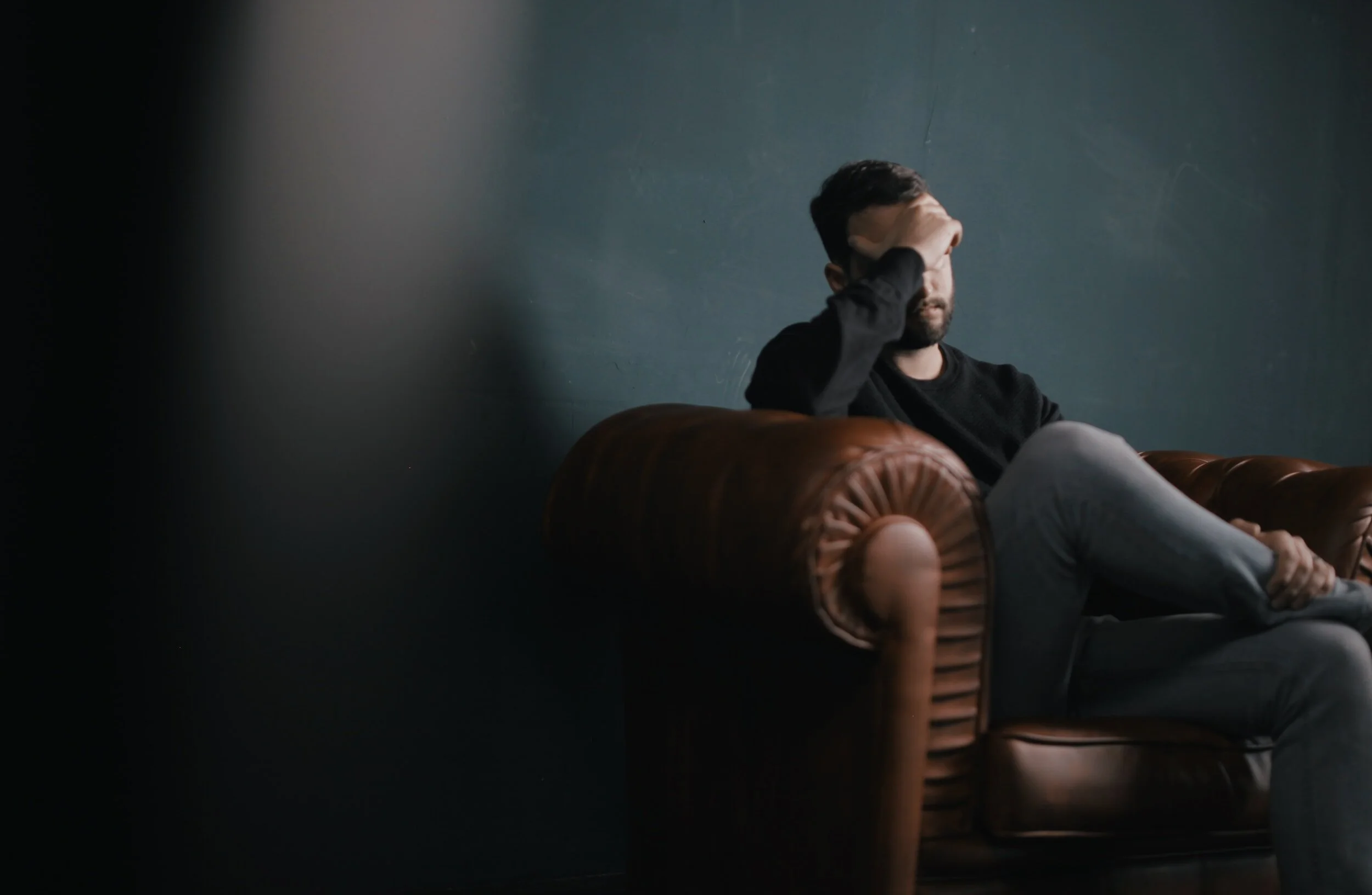
Trauma is the lasting emotional response that often results from living through a distressing event. Experiencing a traumatic event can harm a person’s sense of safety, sense of self, and ability to regulate emotions and navigate relationships. Long after the traumatic event occurs, people with trauma can often feel shame, helplessness, and intense fear.
Signs & Symptoms:
Feelings of shock, denial, or disbelief;
Difficulty concentrating;
Increased irritability or mood swings;
Increased anxiety or fear;
Withdrawing from others;
Feeling disconnected or numb;
Flashbacks to the traumatic event;
Physical symptoms such as headaches, chest pain, or nausea;
Feeling overwhelmed or frustrated;
Change in appetite;
Difficulty sleeping; and/or;
Difficulty enjoying things you used to enjoy.
Child Specialist
Definition:
Child Specialists specialize in treating children with behavioural, emotional, or mental disorders. Child Specialists take a behavioural approach to emotional problems with children, focusing on helping their patients to develop ways to use their own strengths to cope with issues.
Signs & Symptoms:
Emotional Symptoms
Overwhelming fear
Regressing to a younger state
Difficulty concentrating or acting withdrawn
Trouble performing in school
Mood changes & Behavioural changes
Anxiety
Depression
Physical Symptoms
Nightmares
Headaches
Lack of appetiite Frequent stomach aches
Self-harming behaviour
Difficulty sleeping
Substance use

Family & Parent Support
Definition:
Family Therapy is a type of psychological counselling that can help family members improve communication and resolve conflicts. It may include all family members or just those able or willing to participate. Your specific treatment plan will depend on your family's situation. Family therapy sessions can teach you skills to deepen family connections and get through stressful times, even after you're done going to therapy sessions.
Signs and Symptoms:
Seeking a closer relationship
Facing challenges, such as mental or physical illnesses
Worried about their children's behaviour
Getting a divorce or separation
Increasing communication
Escalating conflict and nasty communication habits
Emotional distance and loneliness
Feeling unsupported and emotionally dismissed
Difficulty with opening up emotionally
Difficulties with in-laws, friendships, work, or life stressors including health issues
Abuse, affairs, and addictions (alcohol, drugs, porn, etc.)
Things feeling unfair in the division of household chores